DC basics · 3 min read
Ohms Law Current: the method, worked through
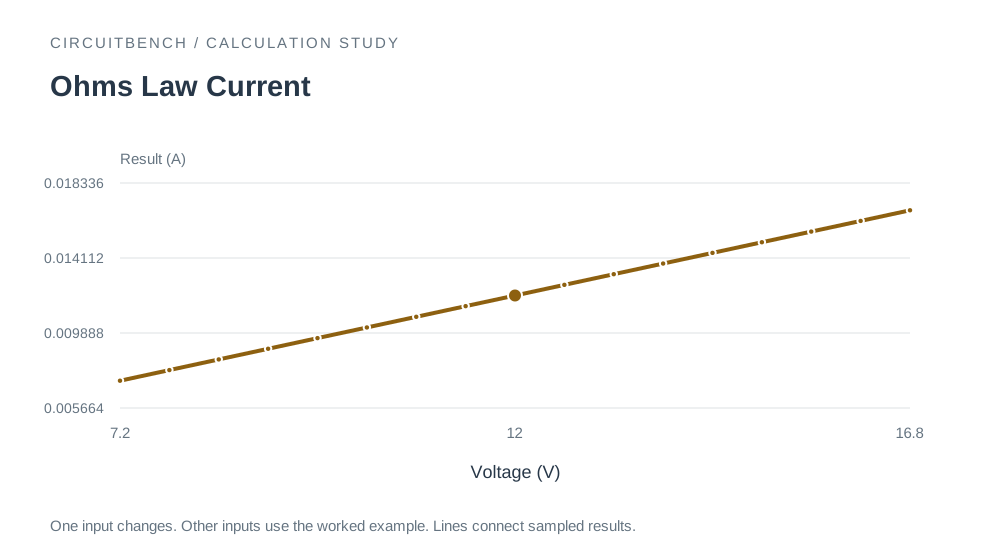
Ohm's law predicts current through an ideal linear resistor at a given voltage.
Work through the formula, compare a few scenarios and know where the model stops.
Ohm's law predicts current through an ideal linear resistor at a given voltage.
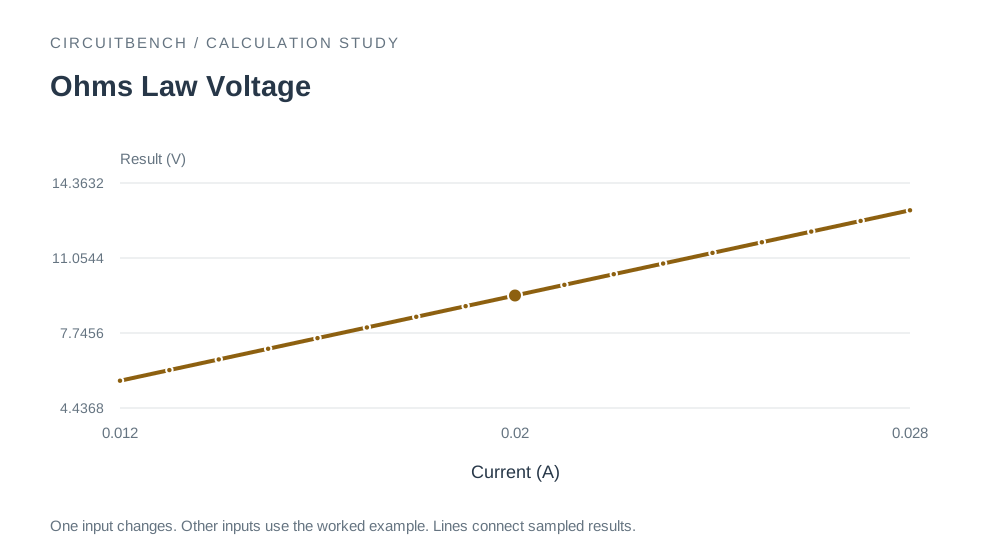
The voltage drop across a linear resistor follows the product of current and resistance.
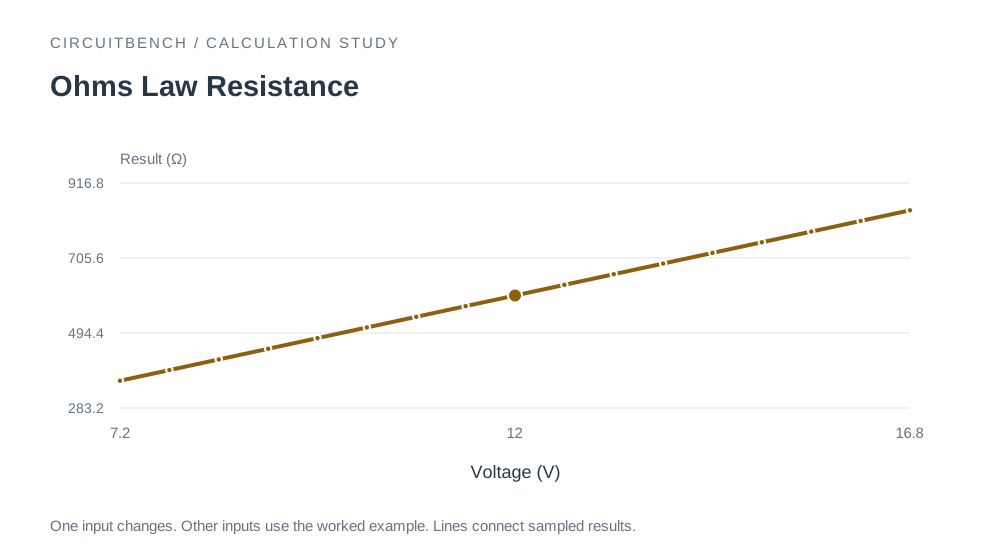
A voltage-current pair determines the effective resistance of an ohmic component.
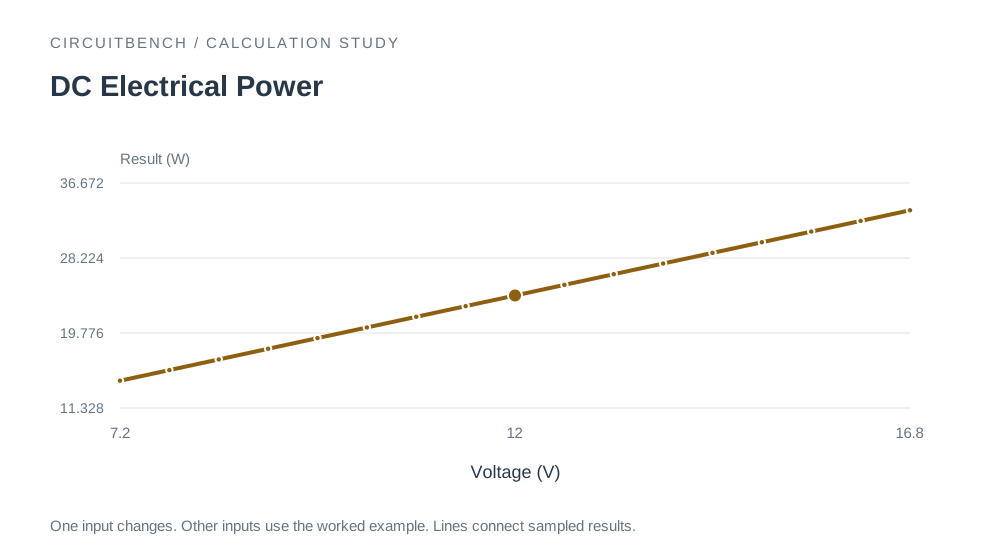
DC power is the rate of electrical energy transfer at a fixed voltage and current.
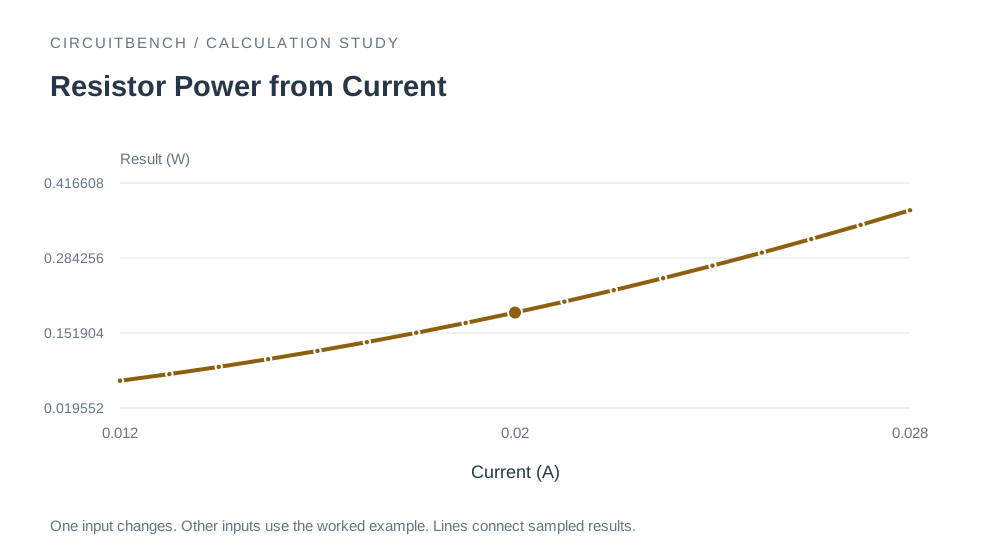
Resistive heating grows with the square of current.
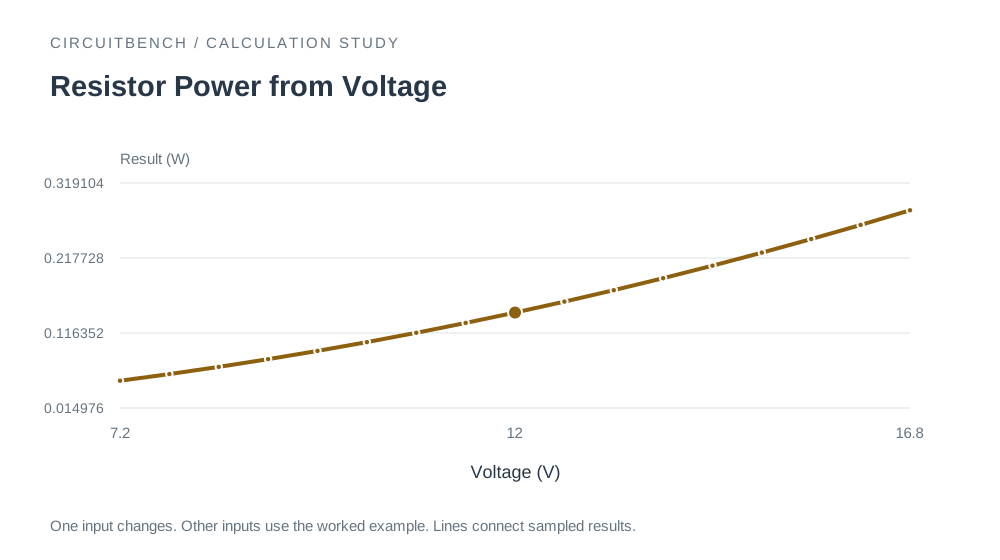
A resistor exposed to a fixed voltage dissipates power inversely proportional to its resistance.
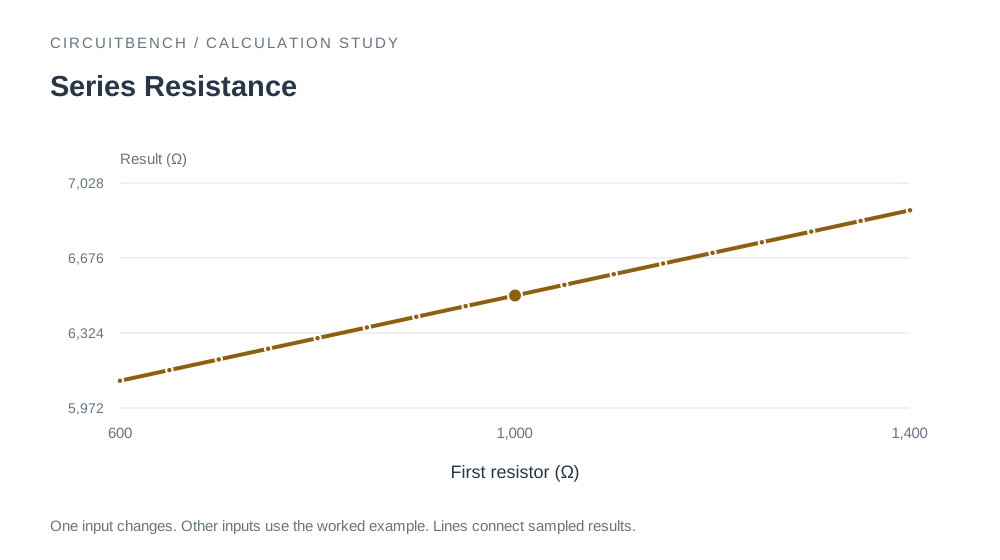
Resistors in a single current path add directly.
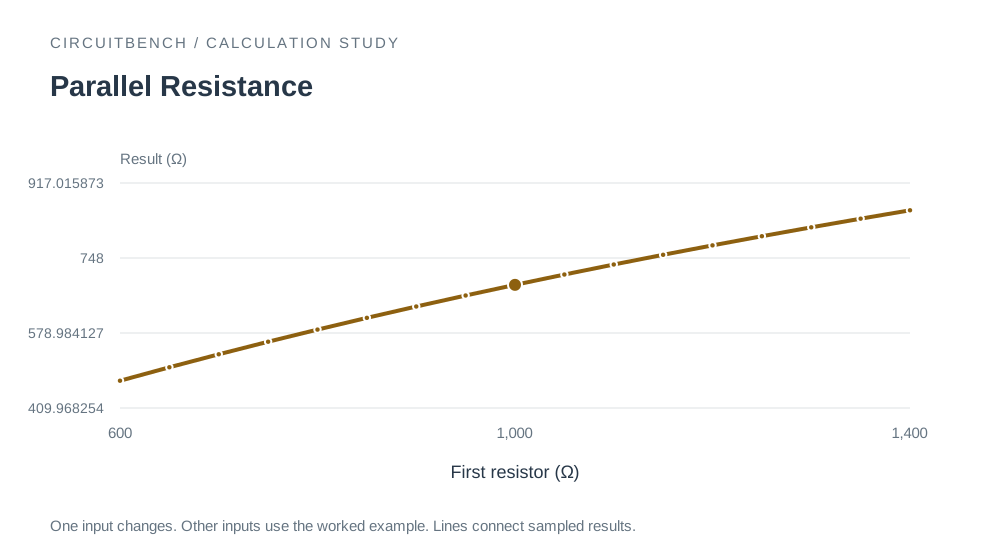
Parallel resistors share the same voltage and add their conductances.
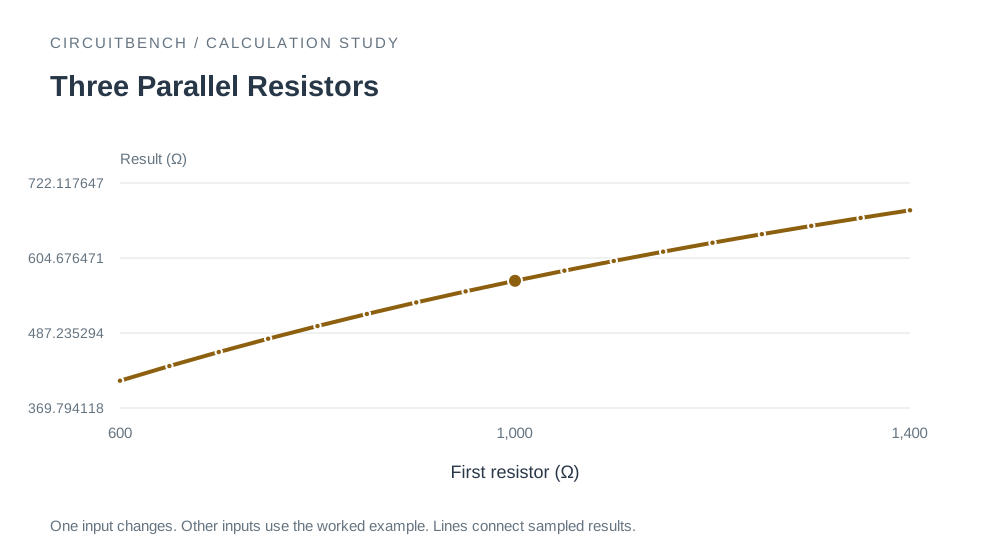
Three parallel branches contribute conductance to a shared pair of nodes.
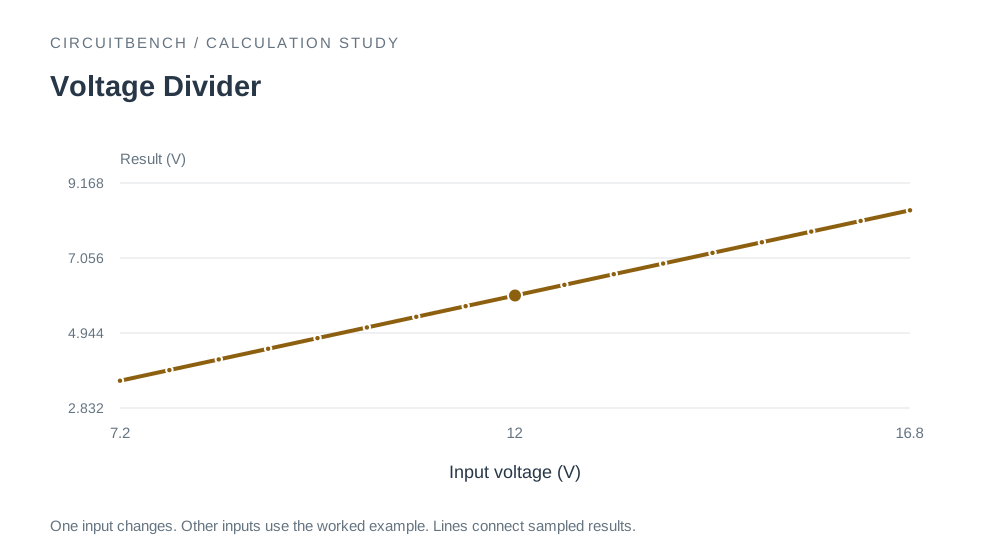
An unloaded two-resistor divider sets a fraction of the input voltage at its midpoint.
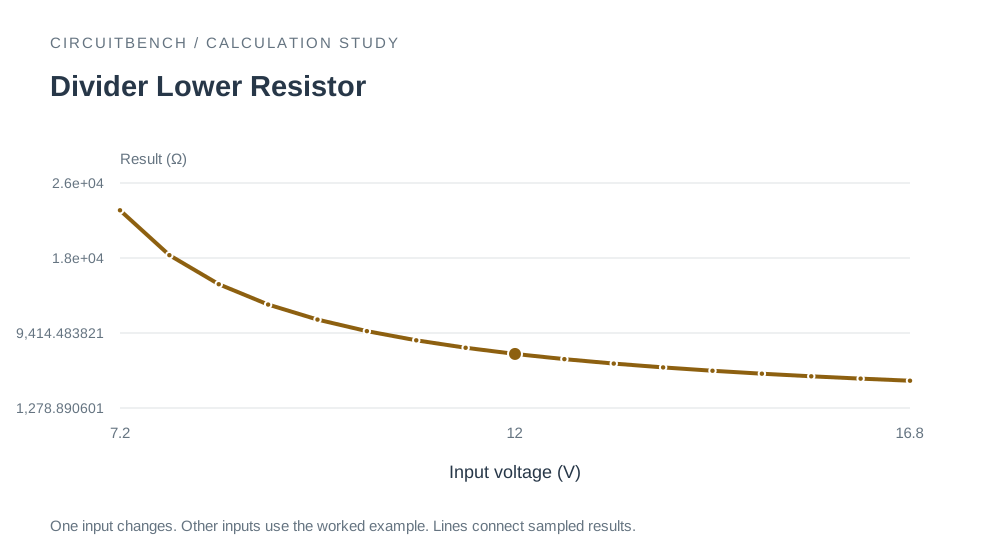
Rearranging the divider relation finds the lower resistor for a target unloaded voltage.
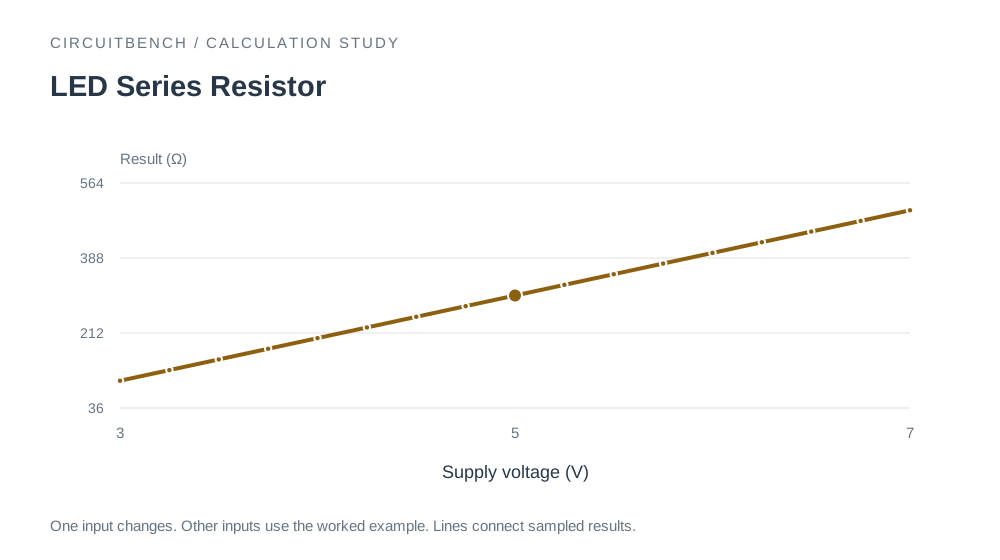
A series resistor drops the supply voltage remaining after an LED's forward drop.
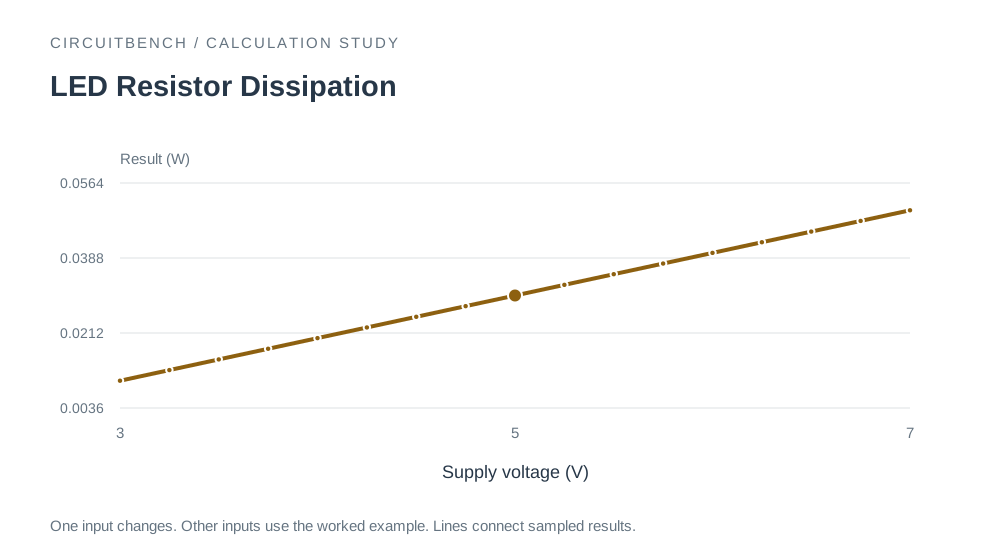
The resistor dissipates the voltage it drops multiplied by the LED current.
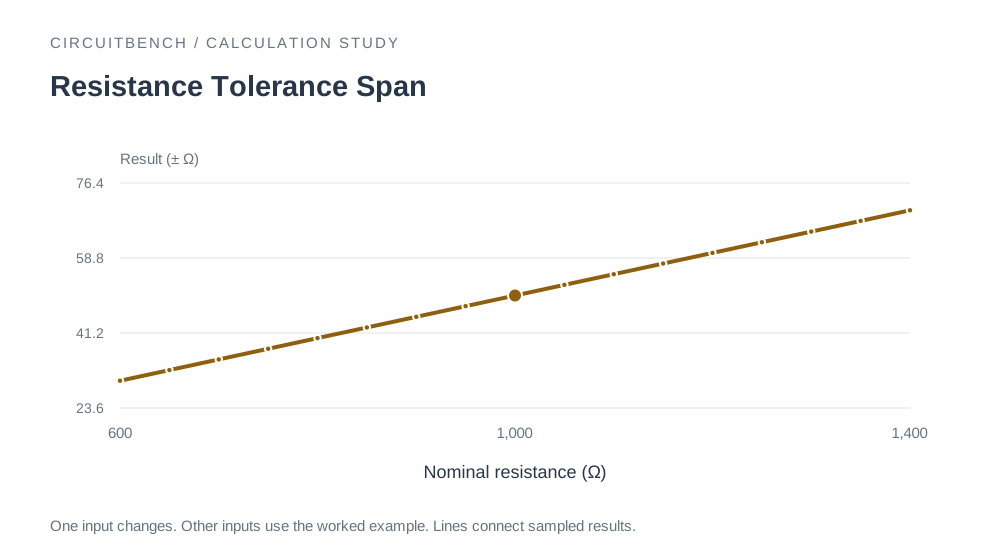
Tolerance describes the permitted deviation from a nominal resistor value.
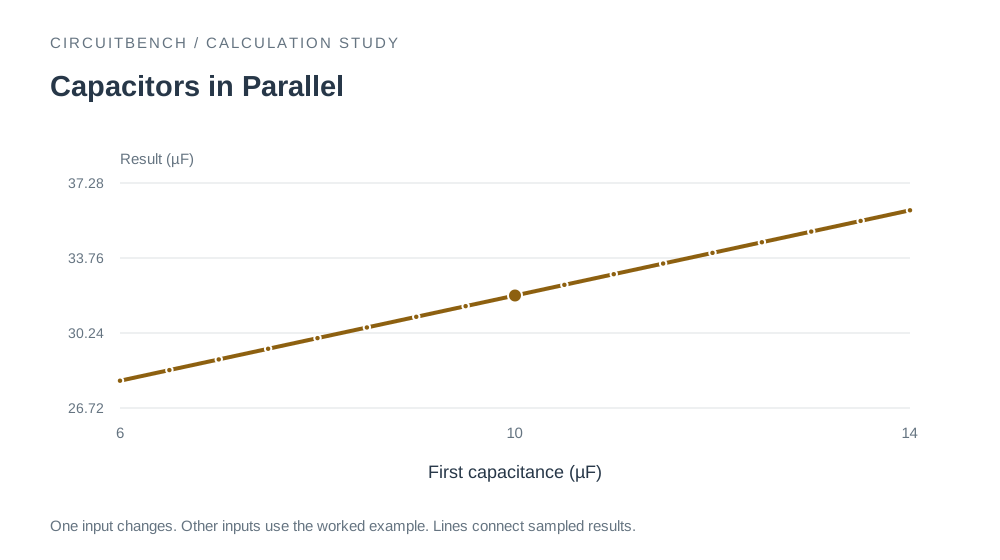
Parallel capacitors share a voltage while their stored charges add.
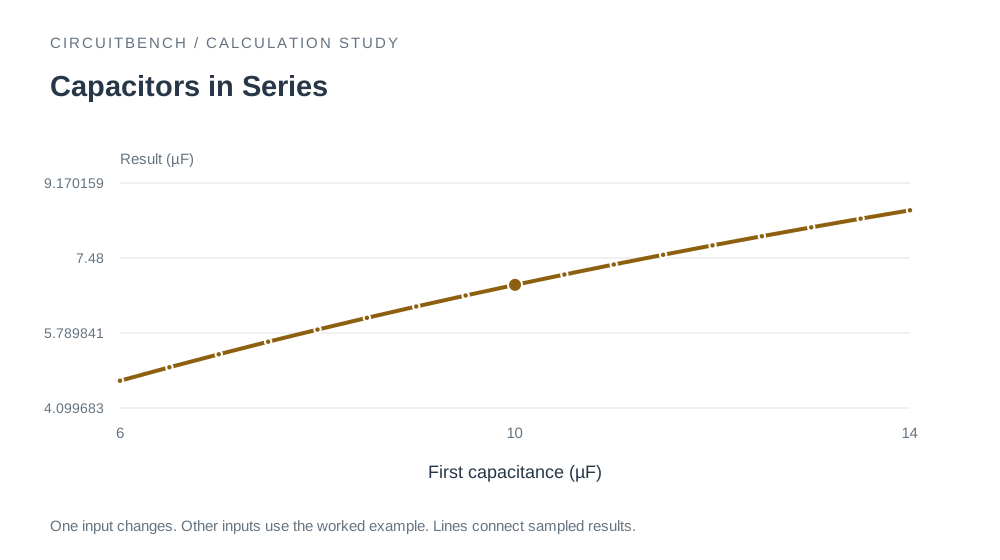
Ideal series capacitors carry equal charge, giving reciprocal addition of capacitance.
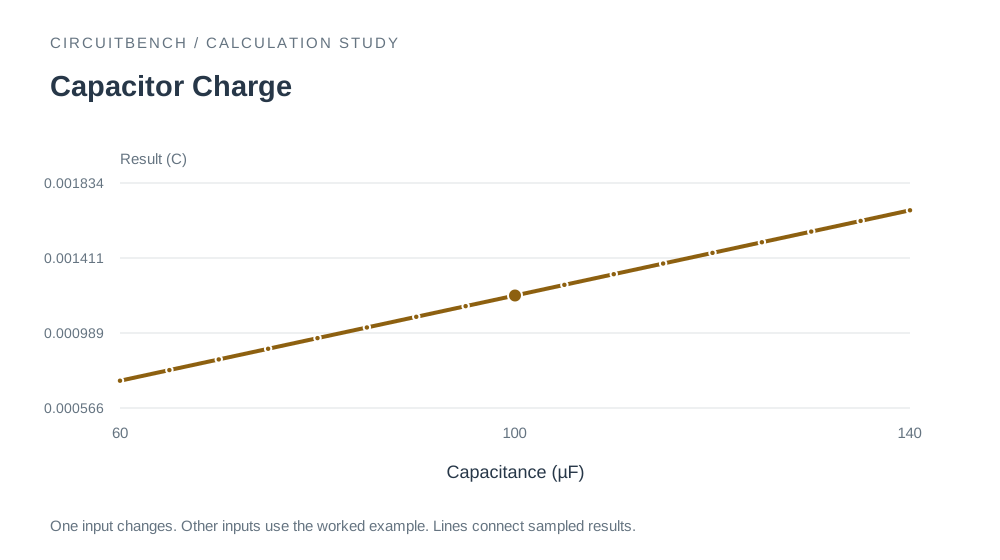
Capacitance relates stored charge to voltage across the capacitor.
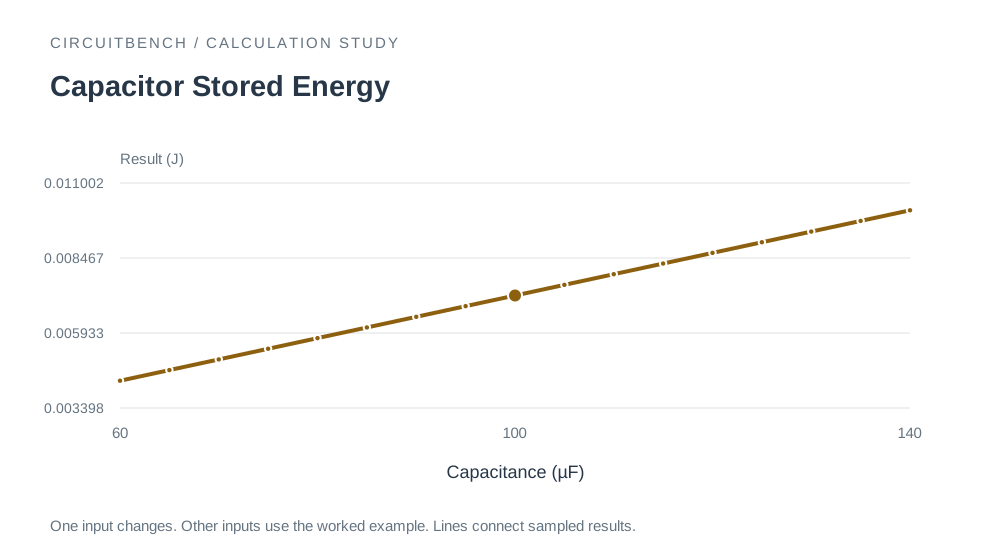
Energy stored in an ideal capacitor grows with the square of voltage.
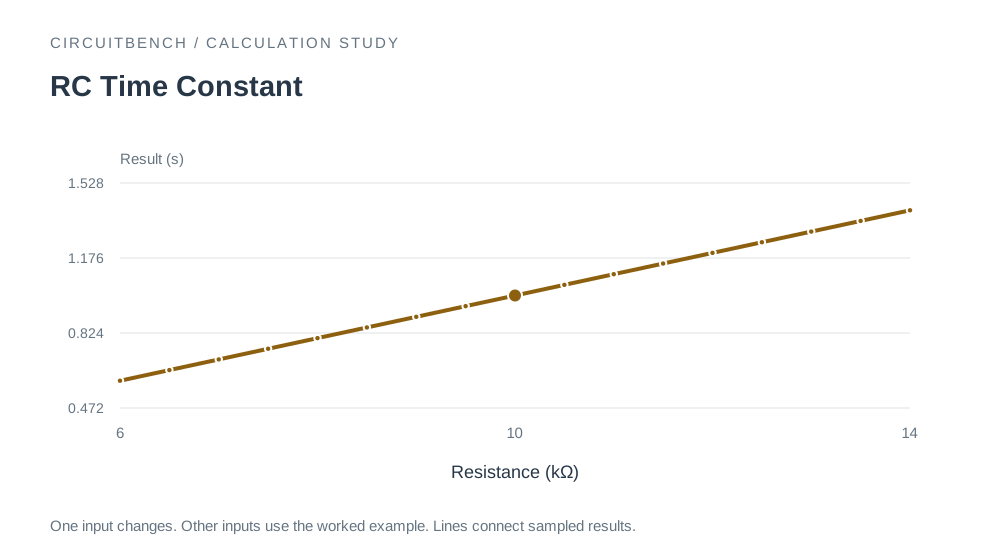
The RC time constant sets the speed of a first-order charging or discharging response.
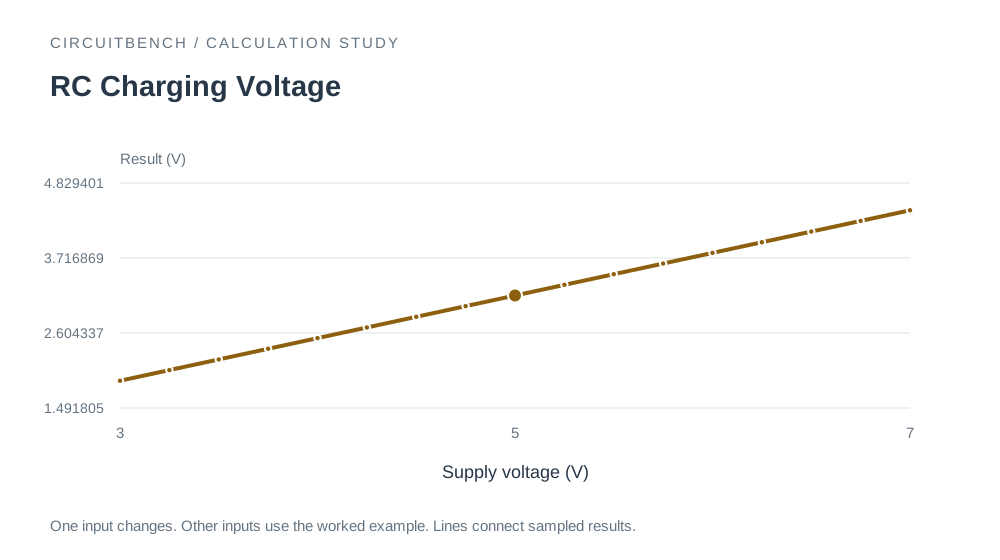
A capacitor initially at zero volts approaches a fixed supply exponentially through a resistor.
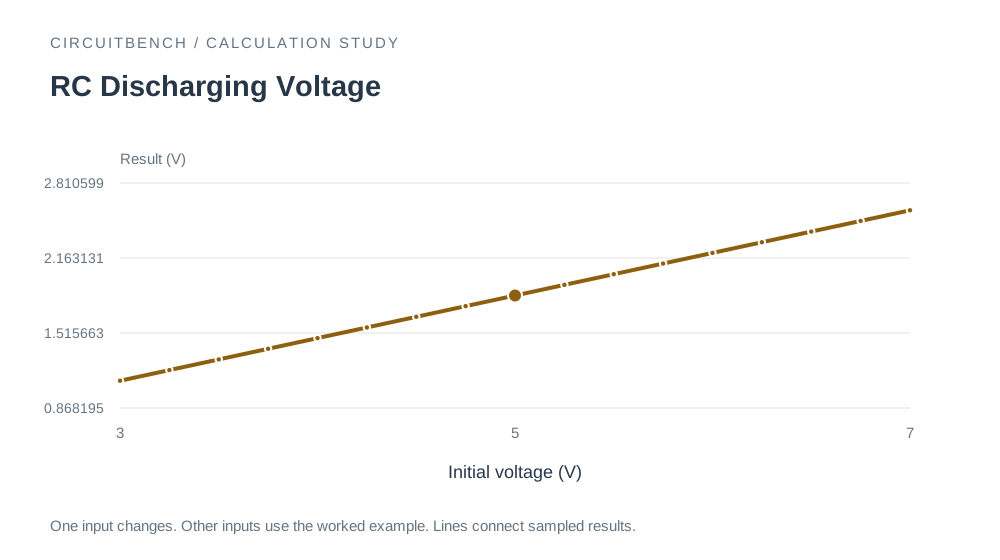
An initially charged capacitor loses voltage exponentially through an ideal resistance.
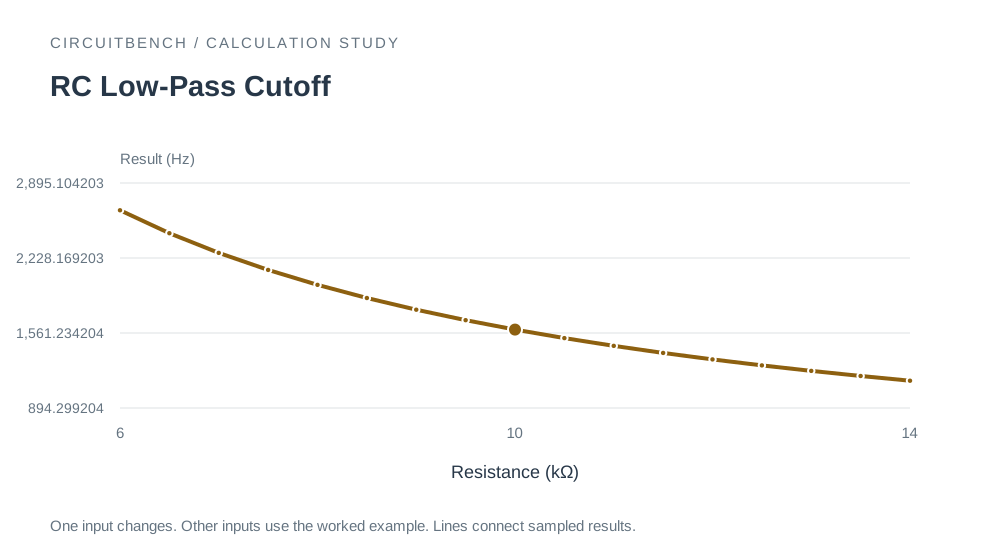
A first-order RC low-pass cutoff is the frequency where amplitude falls to one over the square root of two.
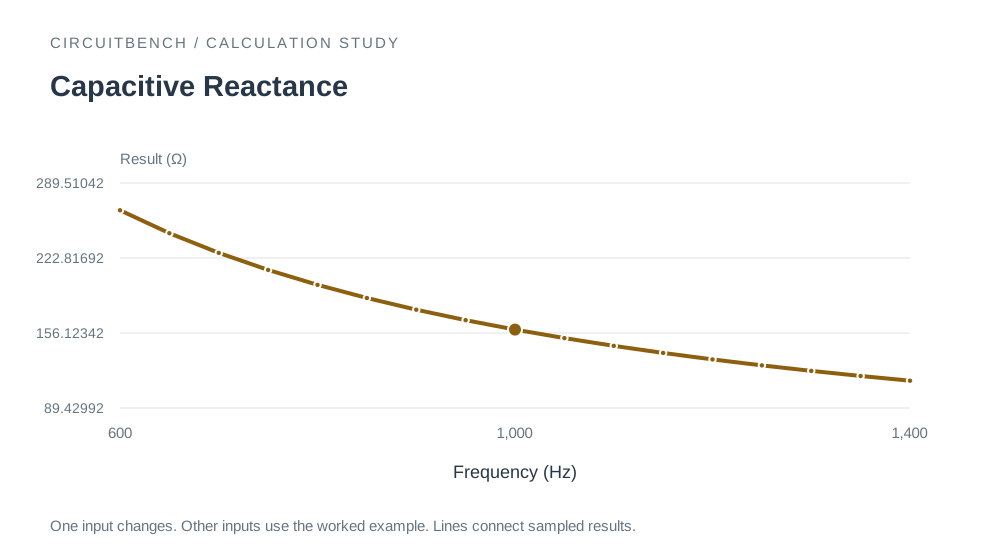
An ideal capacitor's reactance magnitude decreases as frequency rises.
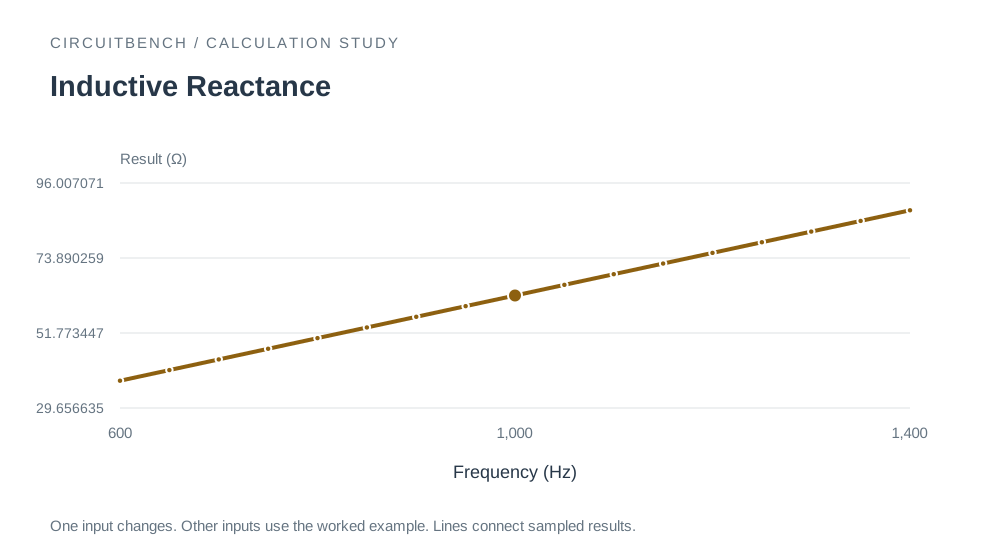
An ideal inductor's reactance magnitude increases with frequency.
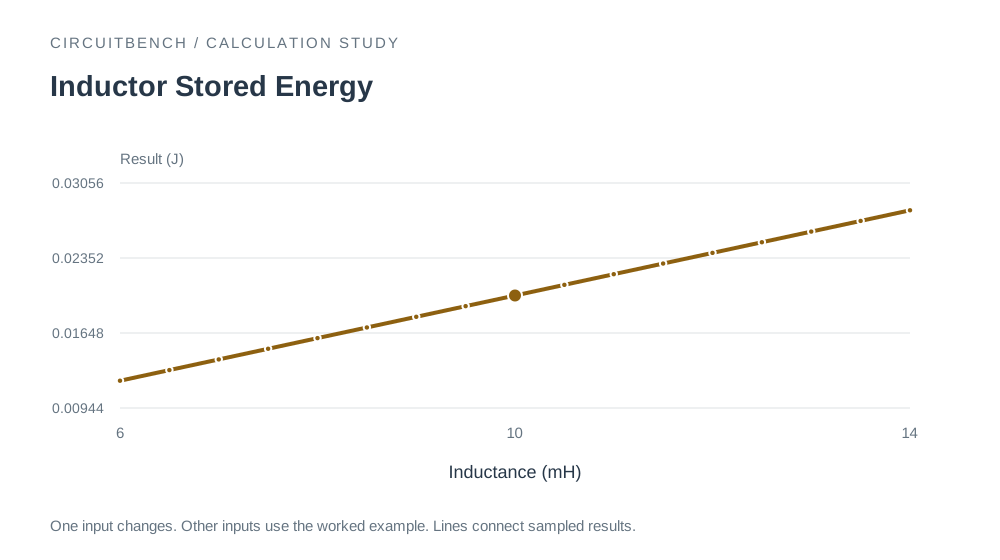
An ideal inductor stores energy in its magnetic field.
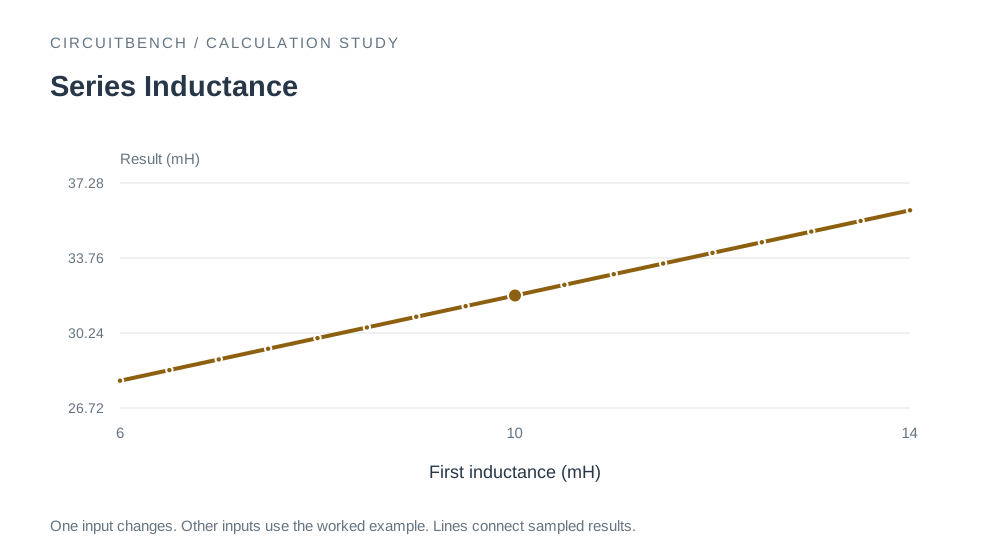
Uncoupled series inductors add their inductances.
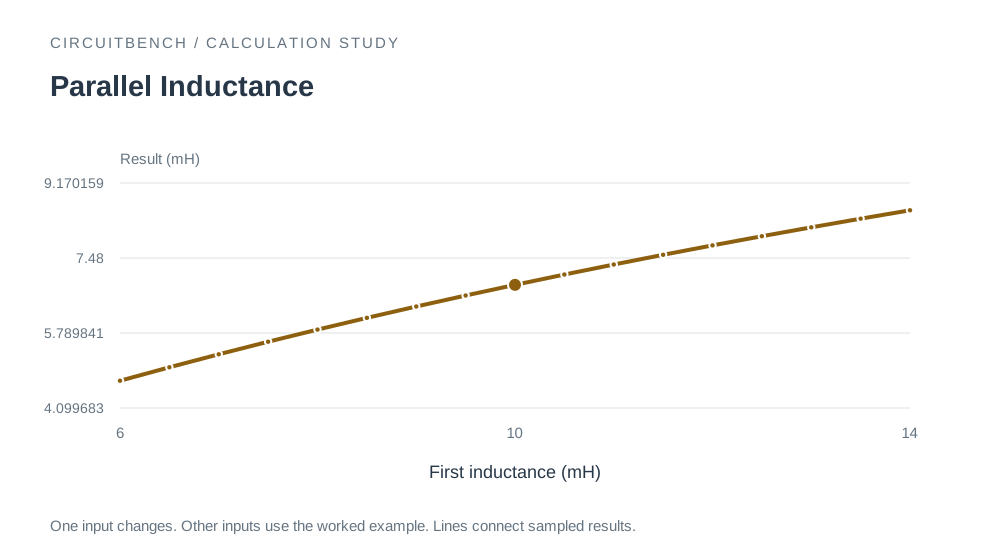
Uncoupled ideal parallel inductors combine by reciprocal addition.
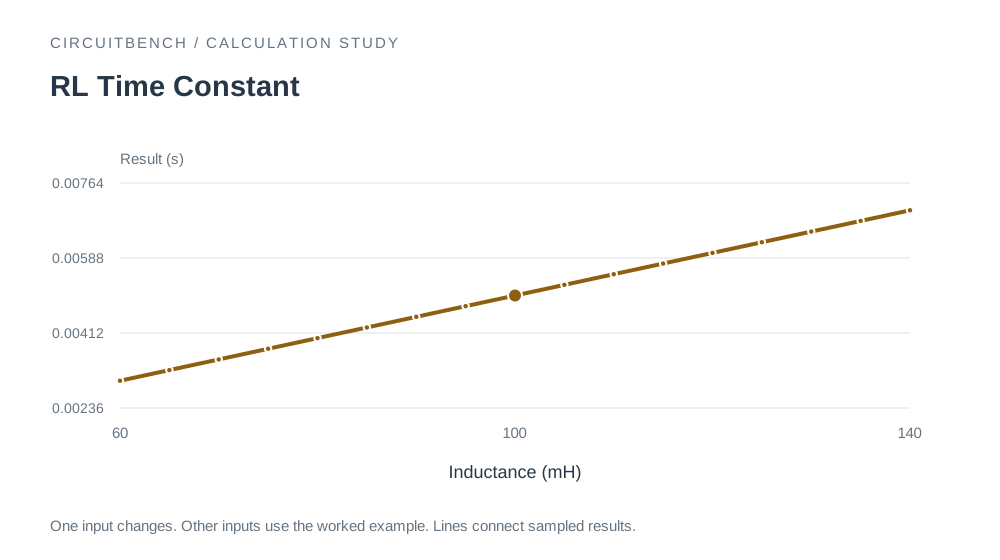
An RL time constant sets the exponential current response in a first-order circuit.
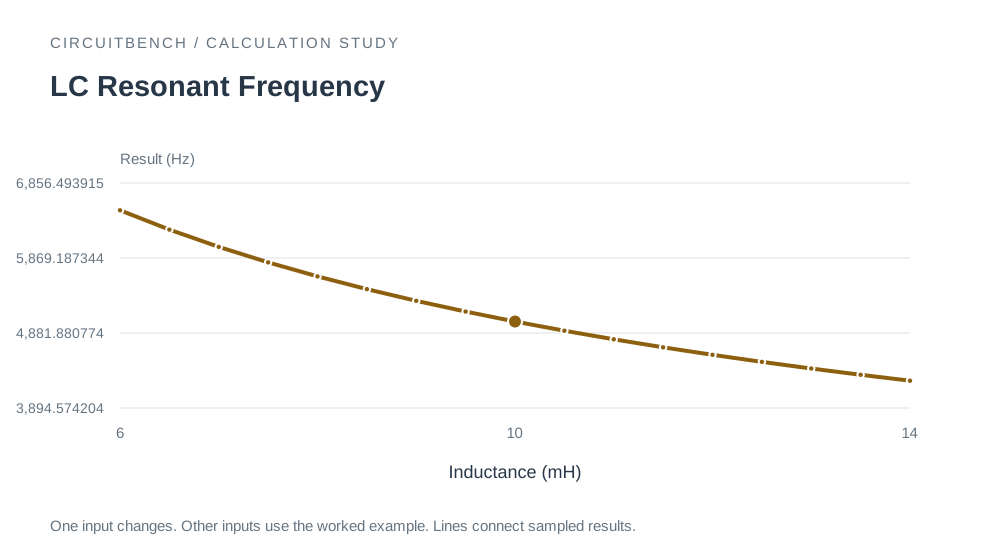
An ideal LC pair exchanges energy between electric and magnetic storage at its natural resonance.
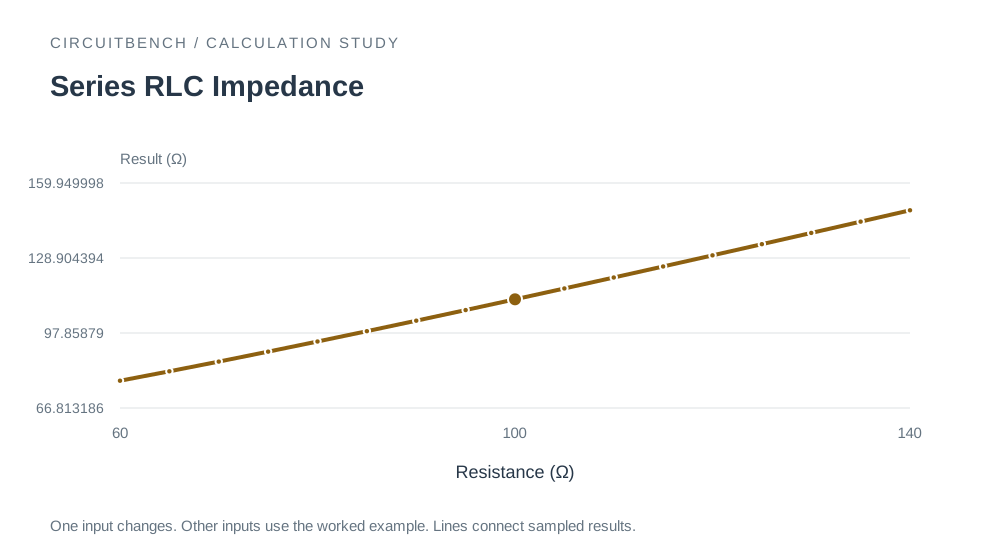
The impedance magnitude combines resistive and net reactive parts at a specified frequency.
No matching articles. Try a shorter search or choose all categories.